 Image 1 of 1
What You’ll Experience
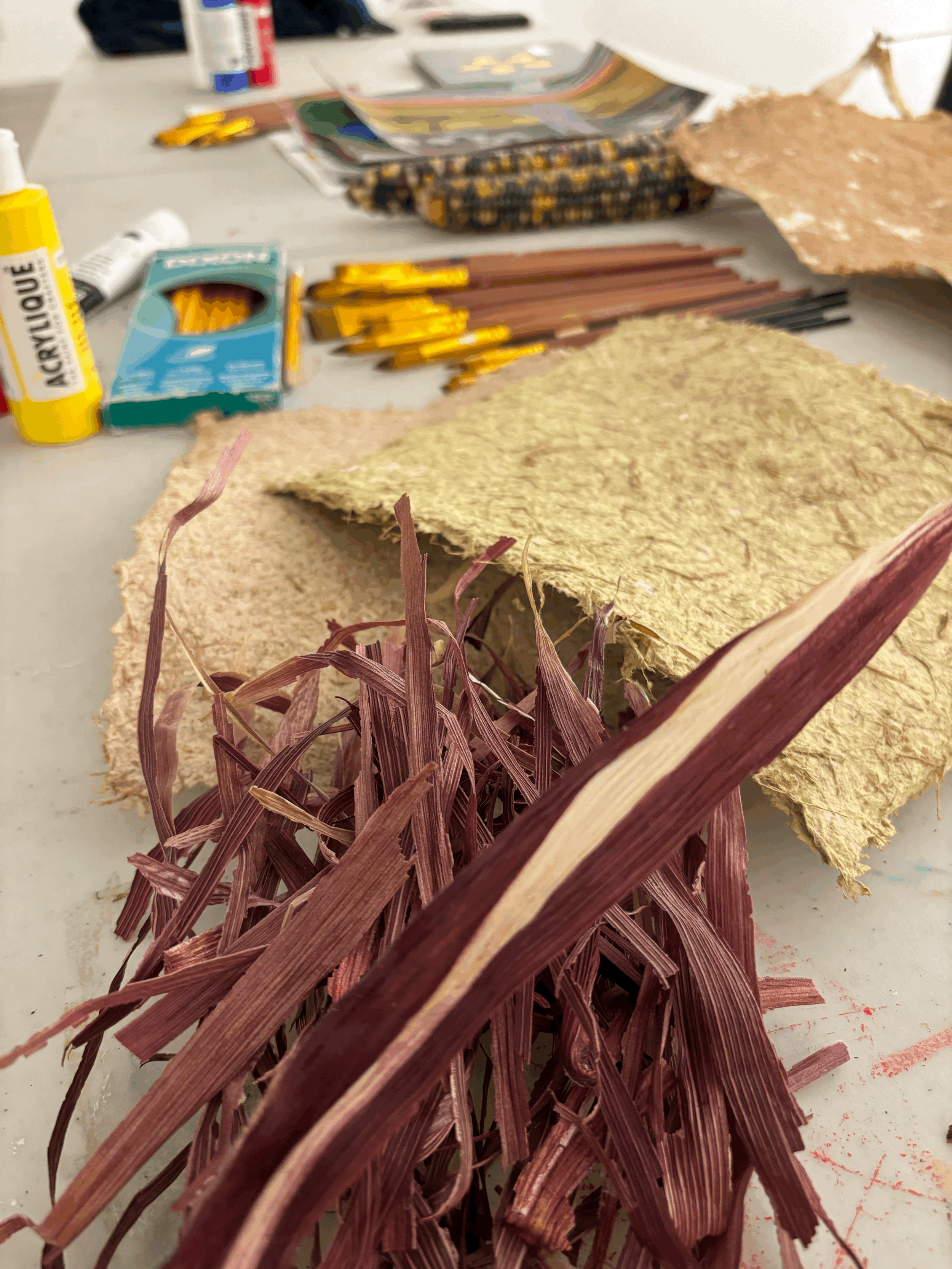
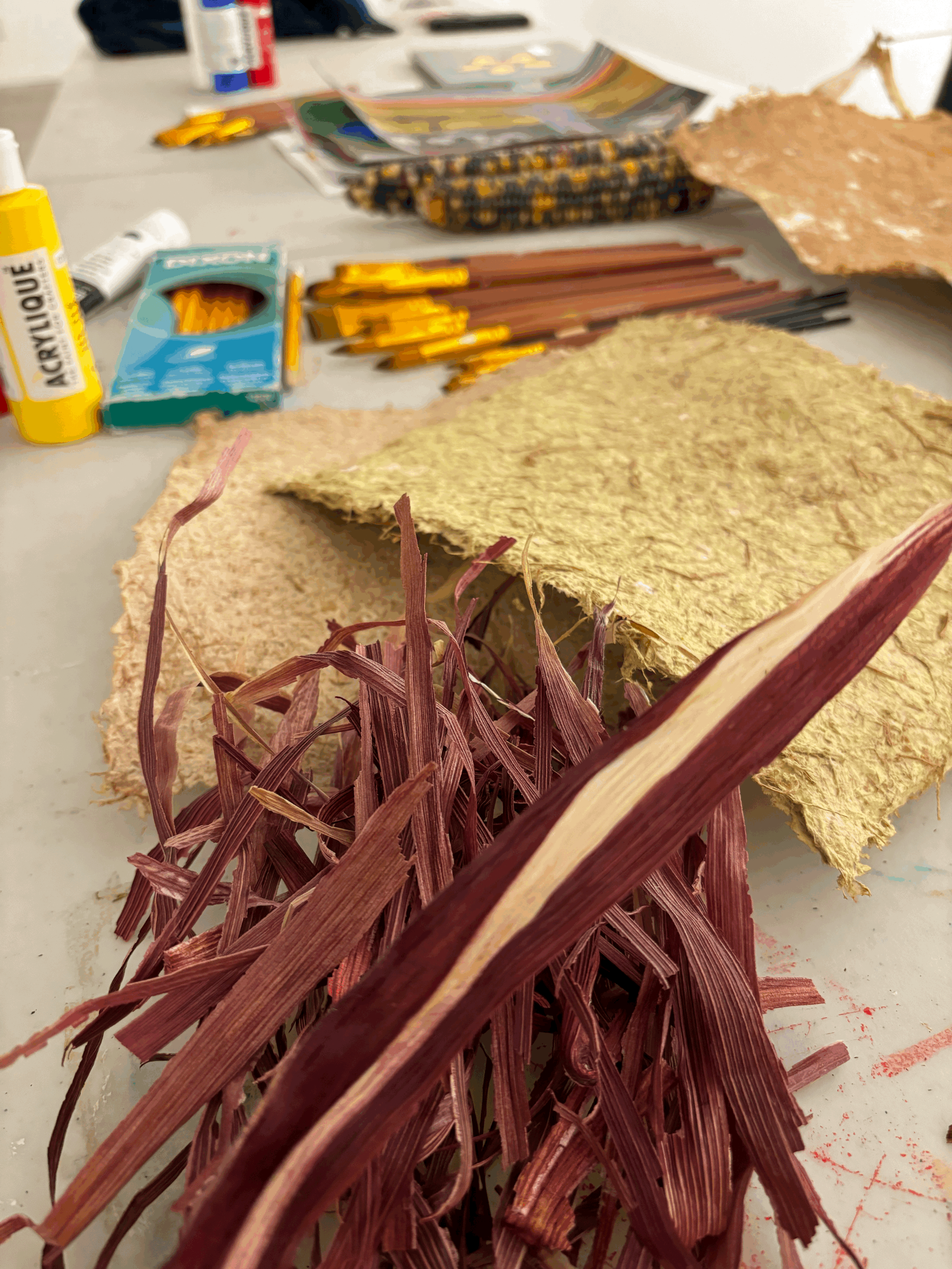
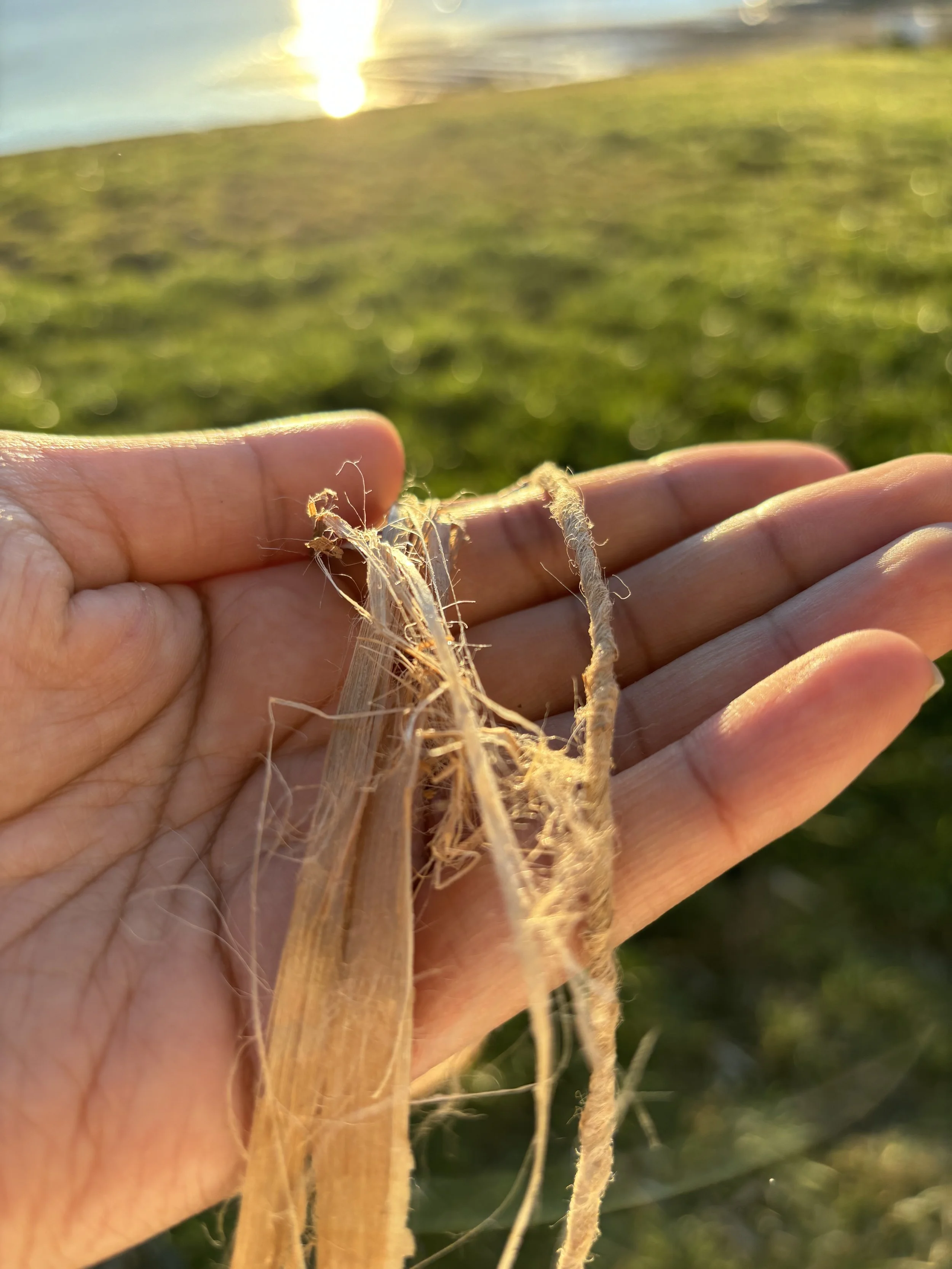
Introduction to sp̓ic̓n and other potential fibre plants
Teachings around respectful harvesting and preparation of plant fibres
Demonstration of basic cordage techniques (twisting, splicing, joining)
Hands-on practice making your own cord or small length of rope
Reflection on how this work connects to clothing, tools, nets, and everyday life
You’ll leave with a felt sense of how much knowledge and effort reside even in a “simple” string.
Typical Timeline / Flow (2.5–3 hours)
Welcome & Plant Teachings
Arrival and land acknowledgement
Introduction to sp̓ic̓n and other fibre plants, their roles and responsibilities
Fibre Preparation
Demonstration of how fibres are separated, softened, and made ready
Participants prepare small bundles to work with
Cordage Techniques & Practice
Step-by-step guidance in basic twisting and two-ply cordage
Time to find your rhythm, adjust hand position, and try different thicknesses
One-on-one support and troubleshooting
Closing & Reflection
Final tightening and finishing of cord pieces
Group reflection on patience, labour, and the teachings in this practice
How to continue practicing at home, and where to look for fibre plants
Who This Is For
People interested in Indigenous material practices and land-based skills
Makers and crafters who like slow, repetitive, meditative work
Educators and community workers seeking hands-on teachings to share (with guidance and permission)
Anyone curious about the deep knowledge woven into traditional cord, rope, and nets
What to Bring
Comfortable clothing you can sit and work in for a while
Personal water bottle and light snacks
Notebook if you like to record teachings or techniques
All necessary fibres and tools for the session are provided, and teachings are shared in a way that respects community protocols and the plants themselves.