 Image 1 of 1
What You’ll Experience
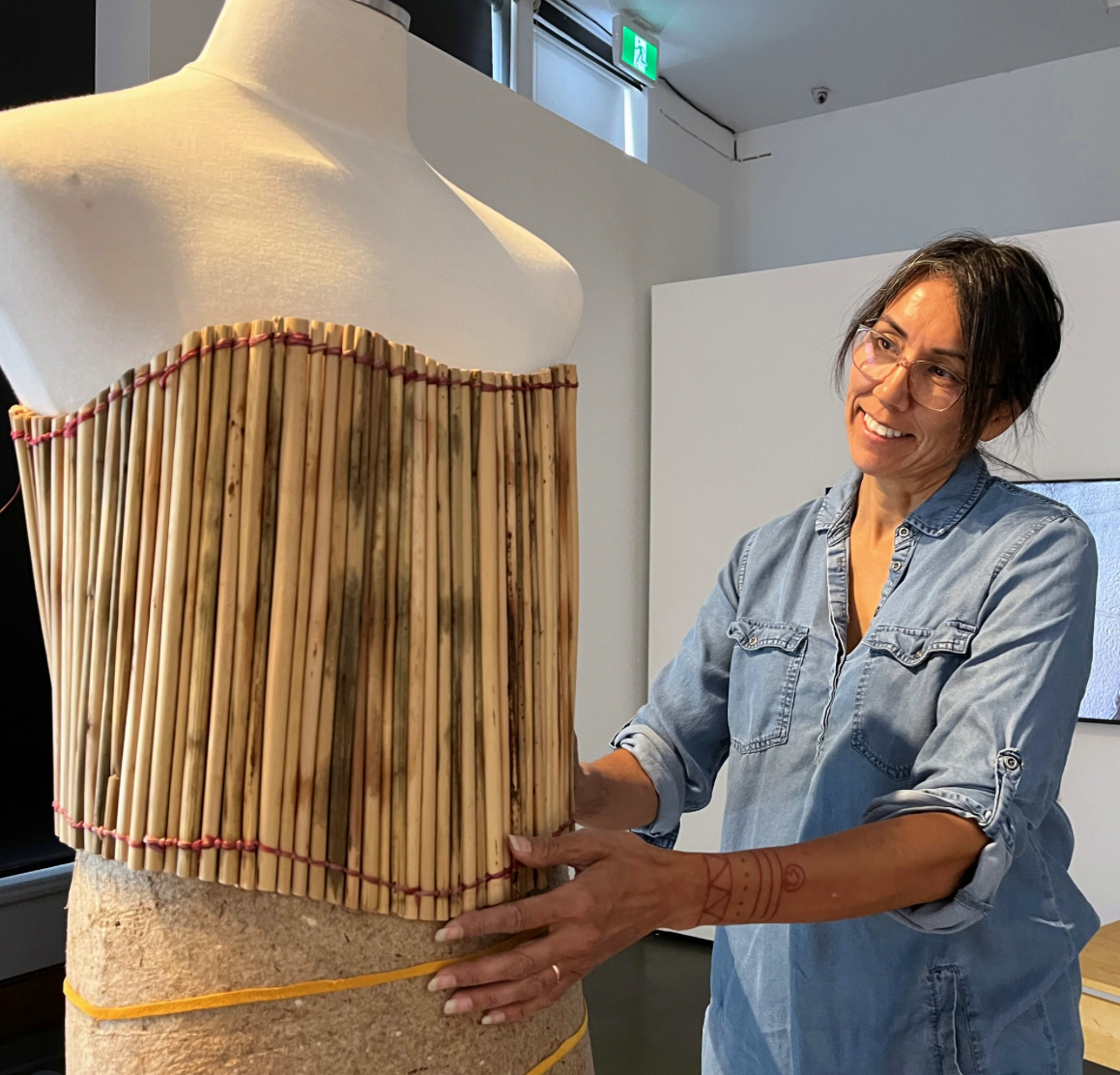
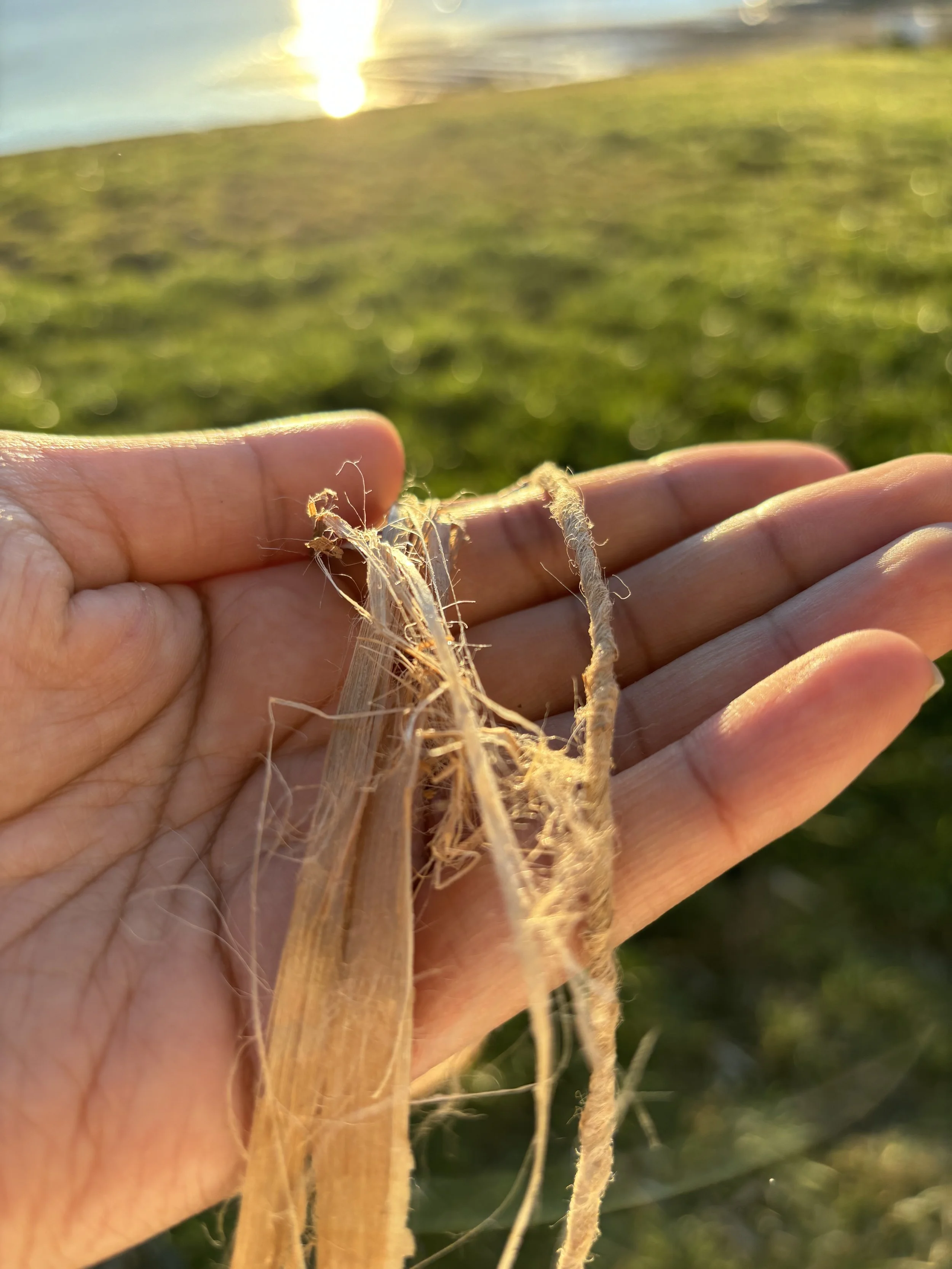
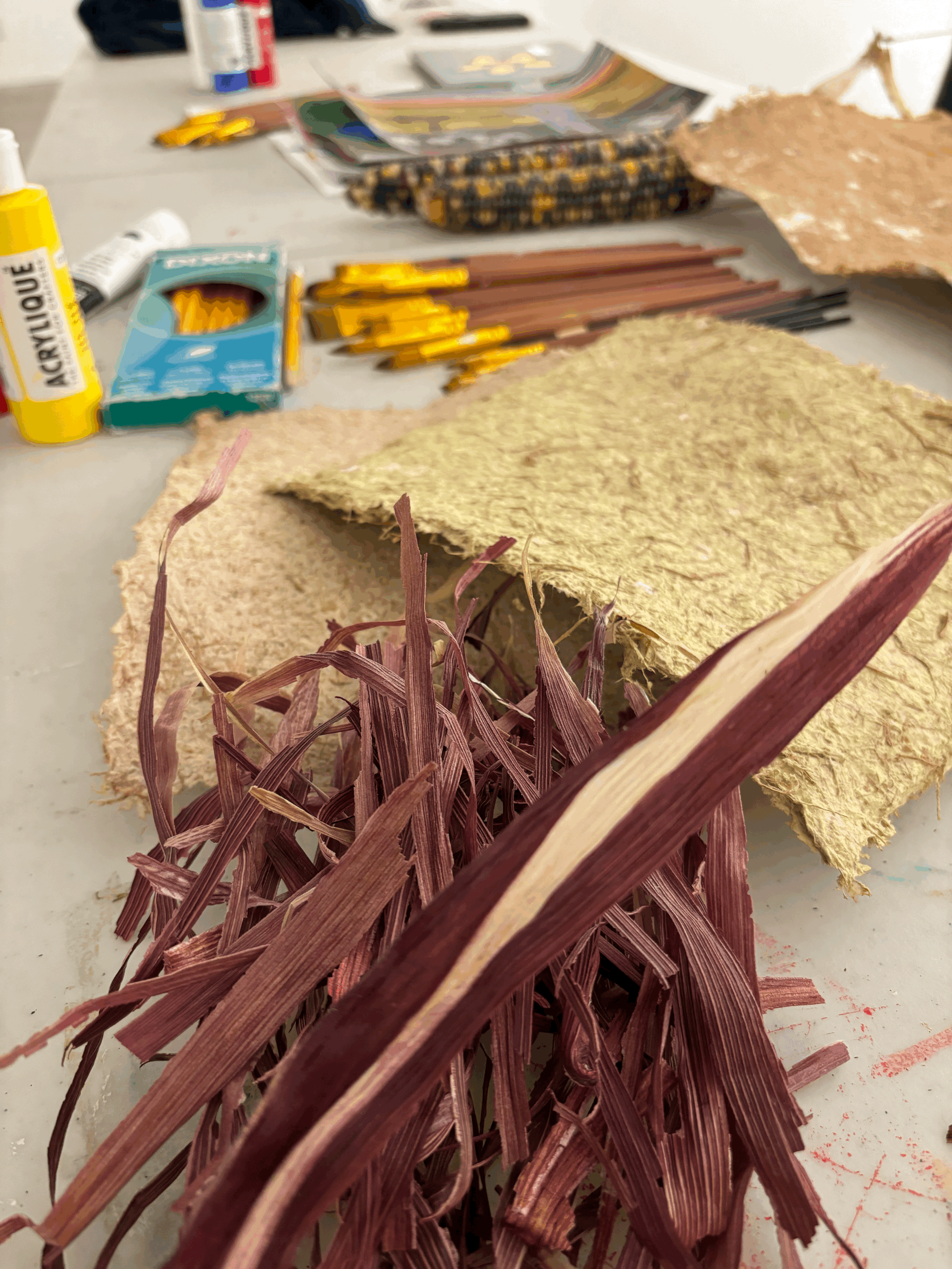
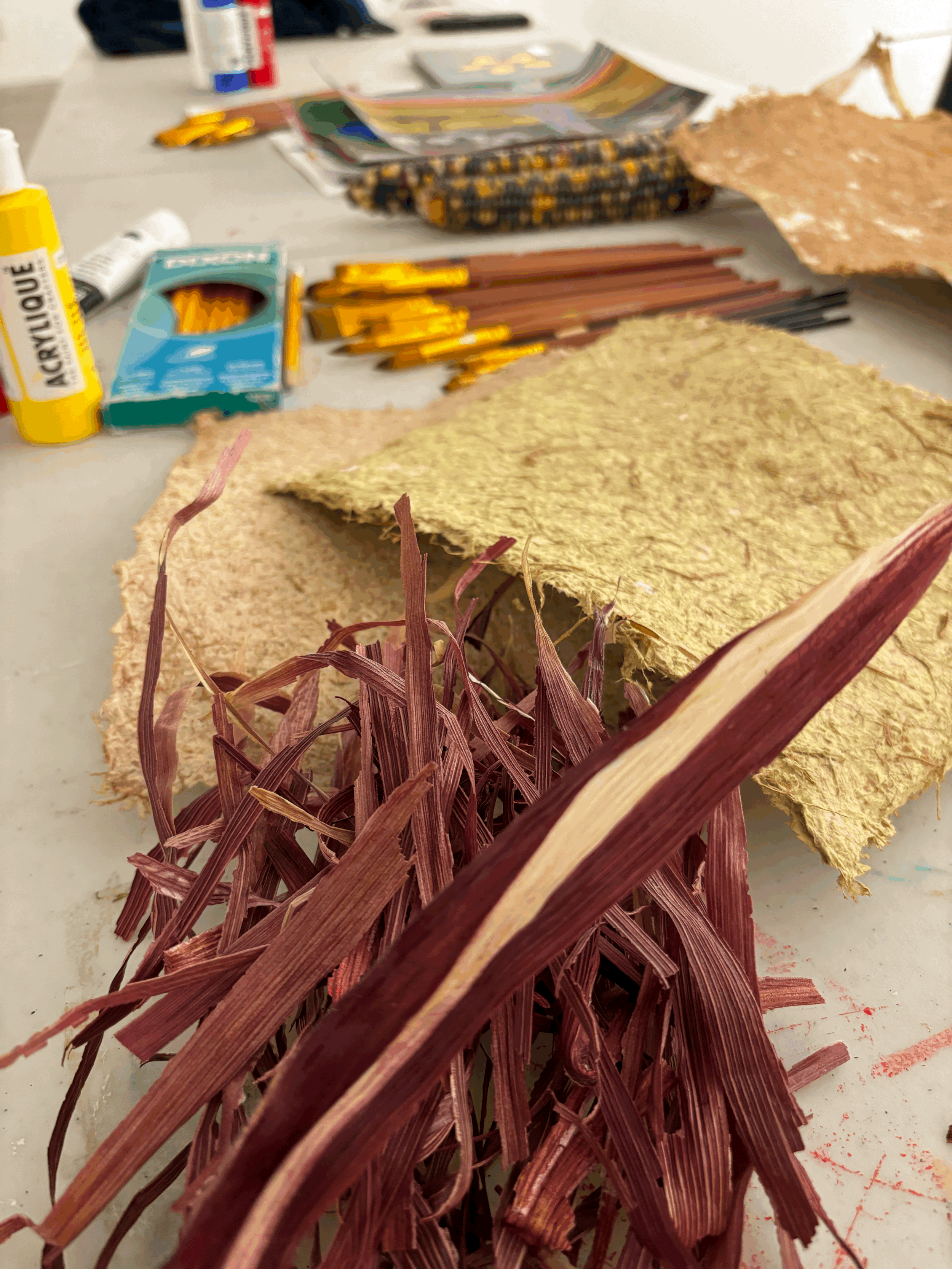
An introduction to tule: its roles, uses, and significance
Teachings around respectful harvesting and care for wetland ecosystems
Step-by-step guidance in preparing tule for weaving
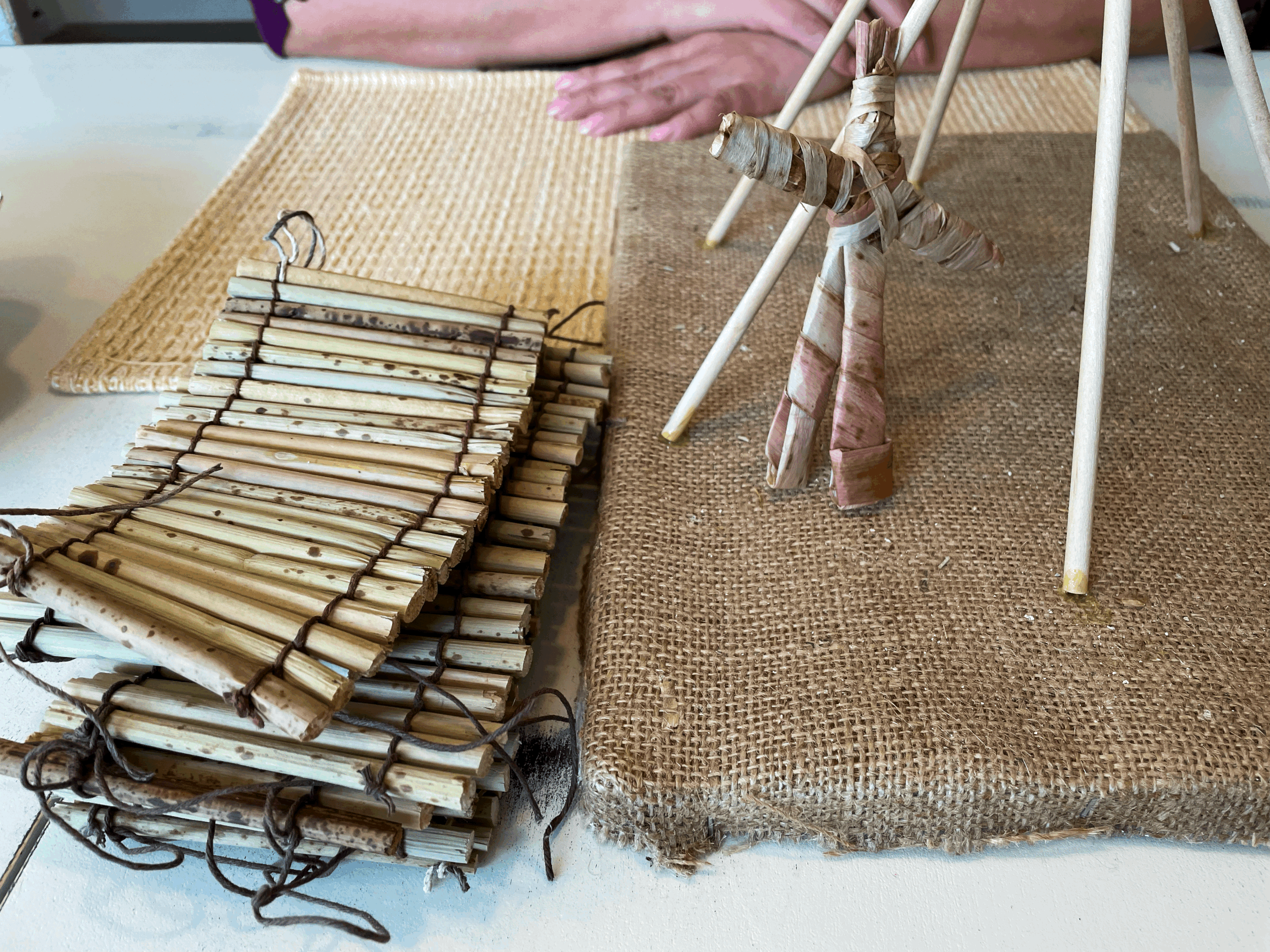
Hands-on instruction in basic mat-making techniques
Time to work quietly, ask questions, and learn through doing
You’ll leave with a small tule piece or mat-in-progress (depending on pace), along with knowledge you can continue to build on.
Typical Timeline / Flow (3–4 hours)
Welcome & Teachings
Arrival and land acknowledgement
Introduction to tule, cultural context, and safety/ethics around harvesting
Preparation
Demonstration of how tule is cleaned, sorted, and prepared for weaving
Participants begin preparing their own bundles
Weaving Practice
Instruction in basic weaving patterns and structure
Guided individual work time with one-on-one support as needed
Breaks are woven in as the group needs
Closing & Reflection
Final weaving time, troubleshooting, and questions
Sharing circle or brief reflection on process and learnings
Guidance on how to continue practicing at home
(Timing can be adjusted depending on group size, age, and experience level.)
Who This Is For
People interested in Indigenous land-based practices and material culture
Makers who want to learn a new, plant-based weaving technique
Educators and community workers looking to deepen their understanding of tule and wetland relations
Folks who enjoy slow, meditative handwork and learning directly from land-connected teachings
What to Bring
Comfortable clothing that you can move and sit in for a while
Water bottle and light snacks
Notebook, if you like to record teachings or patterns
All core materials for the session are provided, and harvesting teachings are shared in ways that respect community protocols and the health of local wetlands.